
April 15, 2024
Over on Crucial Tracks… last two weeks worth of my favorite albums: crucialtracks.org/2024/04/f…
April 8, 2024
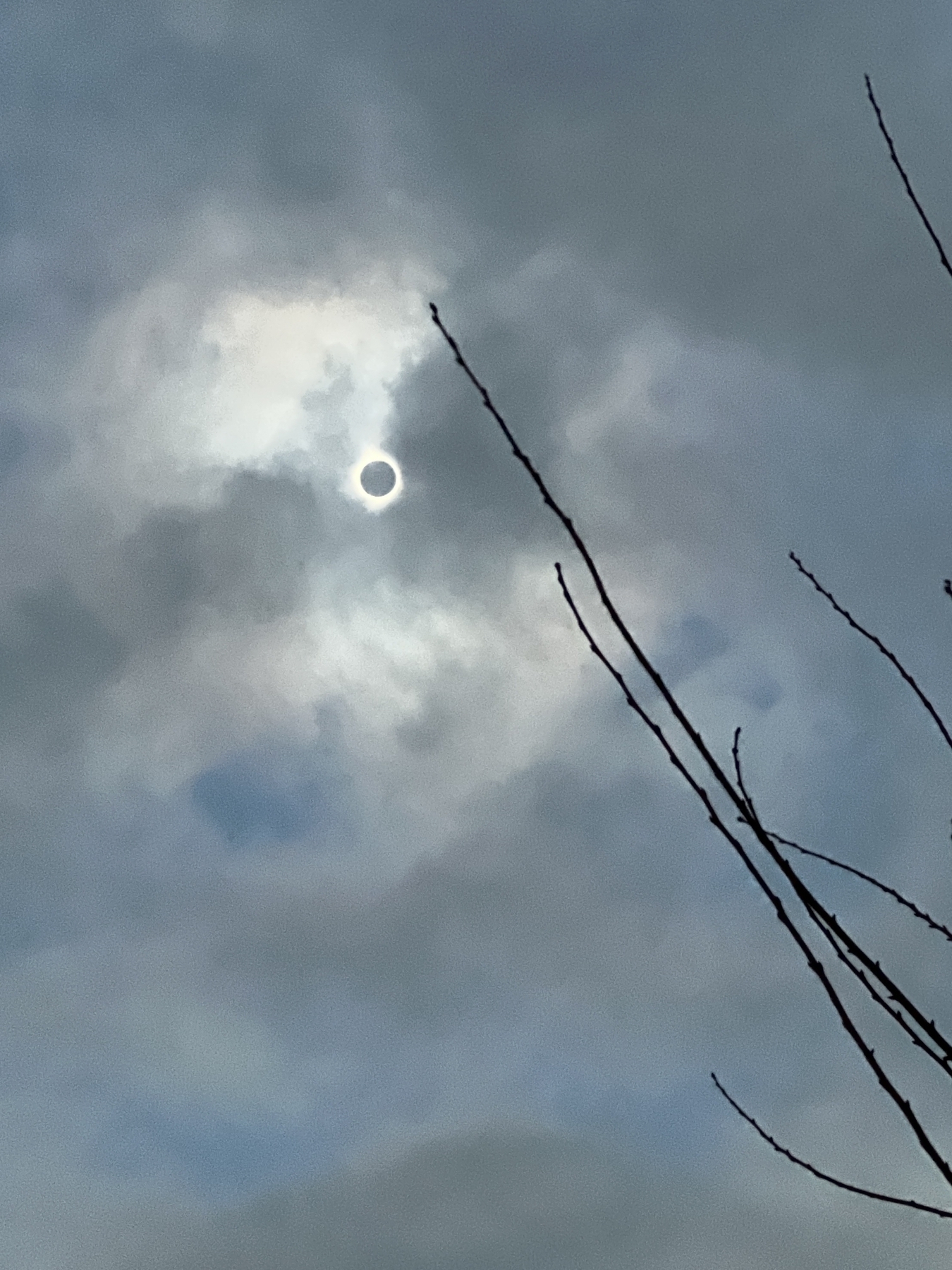
Most Buffalo thing ever: sunny, perfect days over the weekend. 60 degrees plus. Eclipse day? Cloudy and kind of dreary. We’re gonna make the best of it, though! Street blocked off, snacks made, chairs set up.
Whelp that was cool. Clouds opened up just in time!
March 25, 2024
A neglectful music blog host would like to make it up to you with a March super post of my favorite albums released in March, to date: crucialtracks.org/2024/03/f…
Enjoy!
March 3, 2024
Just published my favorite albums from the past two weeks, including Mannequin Pussy’s I Got Heaven and The Past is Still Alive by Hurray for the Riff Raff. That and more over at Crucial Tracks! crucialtracks.org/2024/03/f…
February 19, 2024
Better late than never – my favorite music releases from the last two weeks! Featuring Friko, IDLES, Ducks Ltd, The Chisel, and Heems. crucialtracks.org/2024/02/f…
February 8, 2024
I am 100% convinced that any childhood memory of time or distance (and usually hardship caused by said amount) is actually half of that in reality. Recent visits to my hometown neighborhood (so small!) AND I just tested my wife on her “riding my bike 7 miles to school” story. Actually, 2.5 miles. 😂
February 2, 2024
New music for February 2nd! Liquid Mike is the highlight here, but don’t sleep on very solid solo albums from J Mascis (Dinorsaur Jr) and J Robbins (Jawbox). crucialtracks.org/2024/02/f…
January 26, 2024
Just posted my favorite albums from this week’s new release pile: crucialtracks.org/2024/01/f…
January 20, 2024
The latest issue of Crucial Tracks should be hitting inboxes now. Here’s a sample, if you want to check it out. It’s a great time to subscribe – we are doing a record giveaway at the end of February and all newsletter subscribers are eligible to win!
January 12, 2024
My fave new music releases from today: crucialtracks.org/2024/01/f…
January 10, 2024
Finished reading: A Deadly Education by Naomi Novik 📚
January 5, 2024
My favorite music release from this week: Letter to Self by SPRINTS. More here: crucialtracks.org/2024/01/f…
January 1, 2024
Some start of a new year updates for Crucial Tracks: My 2023 musical diary is complete (and why you should do one in 2024), updates to the newsletter schedule, and a RECORD GIVEAWAY for subscribers! More here.
December 27, 2023
Crucial Tracks is growing up fast! New domain and website is live. Stop by and check it out. New issue is going out soon, so it’s a perfect time to subscribe. 🤘✌️
December 18, 2023
My official 2023 year in review for music is up on Crucial Tracks. Lots of good music to check out. Enjoy!
December 15, 2023
Adjustments have been made to my end of year album list on Album Whale, as well as the corresponding draft of next week’s Crucial Tracks issue focused on 2023. Good things happening over at Crucial Tracks – if you are a music fan, be sure to subscribe!
December 11, 2023
The second issue of Crucial Tracks just went out. This issue features the other half of the team, Chris Fritton aka The Itinerant Printer. It’s a genre spanning opus and an amazing introduction to his life with music. Check it (and subscribe to not miss a future issue!)
December 4, 2023
Come read my music-focused origin story on Crucial Tracks. The first issue just posted!
In case you missed, here are Apple Music and Spotify playlists for the first issue of Crucial Tracks, my newsletter focusing on the impact of music on your life.
November 30, 2023
Some albums that didn’t make my 2023 favorites, but were still enjoyed… Alternative/Indie edition:
- Pure Music by Strange Ranger
- Infinite Spring by Superviolet
- s/t by Liquid Mike
- In the End It Always Does by The Japanese House
- Lucky for You by Bully
- Careful of Your Keepers by This is the Kit
Some albums that didn’t make my 2023 favorites, but were still enjoyed… Hardcore/Punk edition:
- Slogan Machine by Gumm
- Living Proof by Drain
- Consume Me by Big Laugh
- Hellmode by Jeff Rosenstock
- Walk the Wheel by Truth Cult
- Would You Miss It? By Koyo
- Of Days Renewed… by Magnitude
Some albums that didn’t make my 2023 favorites, but were still enjoyed… R&B Adjacent edition:
- The Age of Pleasure by Janelle Monae
- Red Moon in Venus by Kali Uchis
- Falling or Flying by Jorja Smith
- Fountain Baby by Amaarae
- Raven by Kelela
- Heaven by Cleo Sol
- My Soft Machine by Arlo Parks
(And finally) Some albums that didn’t make my 2023 favorites, but were still enjoyed… Hip Hop edition:
- To What End by Oddisee
- And Then You Pray for Me by Westside Gunn
- Scaring the Hoes by JPEGMAFIA & Danny Brown
- Sundial by Noname
- Indiana Jones by Boldy James & RichGains
November 27, 2023
Announcing Crucial Tracks
I am super excited to announce the launch of a newsletter project with my friend Chris (aka The Itinerant Printer). The site is called Crucial Tracks and it focuses on the songs that made you who you are today.
Everyone has moments in their life that are defined by music. Whether it’s a song that introduced you to a genre of music that changed your tastes and style, or a lyric that made you think about the world in a different way. Songs can represent relationships. Songs can trigger memories. These are all crucial tracks.
Once or twice per month we will feature an interview with interesting people from all walks of life. (We’ve got a pretty amazing list!) And in between, we will be focusing on new releases and tracks that have moved us.
The plan for December is interviews with Chris and myself, as well as our year-end lists. Then we will kick off the new year with our very first guest interview.
Head on over to the site and subscribe – you won’t want to miss this!